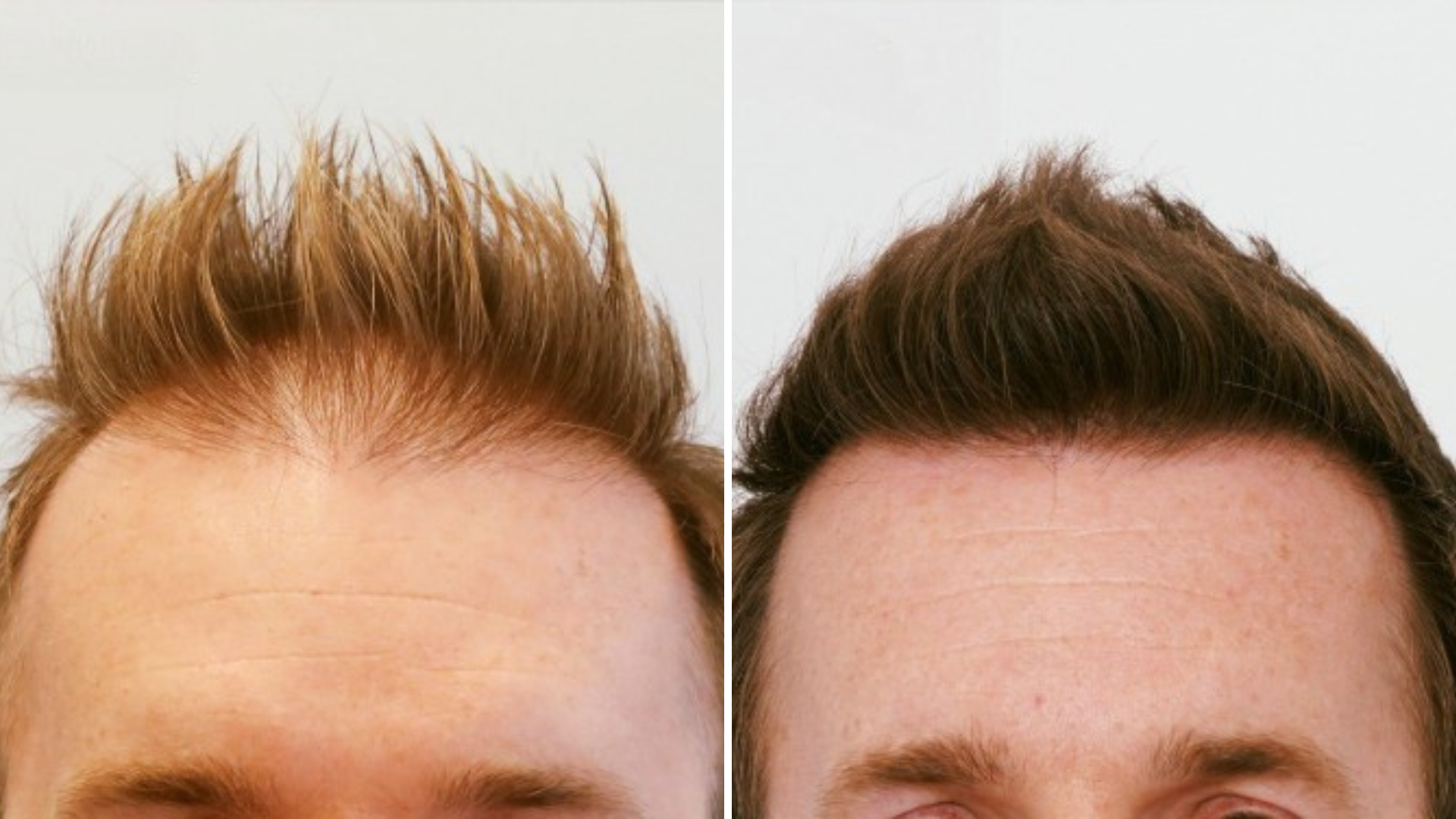
Picture this: standing in the store, completely overwhelmed by best hair loss treatment for women options. You’re looking at rows of pink bottles, gold-lettered serums, and boxes of gummies that promise the world. I’ve been there. Well, technically, I was the one holding the basket while my wife, Claire, stared at a $90 bottle of “volumizing botanical extract” like it was the Holy Grail. This was back in December 2024, right before we realized how much money we were actually flushing down the drain.
I’m Alex. You might know me from my blog, Gourmet Style Wellness. I spent my 30s as a graphic designer in LA, which basically means I spent a decade obsessing over aesthetics while my own hairline decided to migrate south. By 35, I was the guy wearing a beanie in a 90-degree Echo Park summer. I eventually found my way through the woods with Roman, but watching Claire go through the same “thinning part” anxiety was a different kind of heartbreak. It’s one thing when it’s your own head; it’s another when you see your partner losing sleep over it.
Actually, let’s be real. Most of the advice out there for women is absolute garbage. It’s either “take some biotin” (which mostly just gives you expensive pee) or “it’s just stress.” Having gone through the 3 AM research rabbit holes myself, I knew we had to find something that actually had some science behind it. We’re heading into 2026 now, and the field has changed. We don’t have to settle for shampoos that smell like a meadow but do zero for our follicles.
The Biotin and “Caffeine Shampoo” Trap
Claire’s journey started where most do: the “Hair and Nails” aisle. She spent $34.12 on a bottle of high-potency biotin gummies because an influencer on TikTok said they changed her life. Three months later? Her nails were great, but her ponytail felt as thin as a shoestring. It’s a common story. To be honest, I felt guilty because I’d spent similar cash on caffeine shampoos back in my early 30s. We were just two people in a nice house in Silver Lake, desperately rubbing expensive soap into our scalps and hoping for a miracle.
The problem is that most “treatments” sold in big-box stores are just supplements or cosmetics. They don’t address the underlying biology. For most women, hair loss isn’t just about vitamins. It’s often related to hormonal shifts, genetics, or even the “GLP-1 hair shed” we’ve been seeing so much of lately. If you’ve been following the news, even the 2025 American Diabetes Association sessions pointed out that managing side effects – like hair thinning – is the next big hurdle in modern wellness.
Speaking of things that don’t work, we actually tried a “luxury” scalp oil that cost $112.00 at a boutique in West Hollywood. The packaging was beautiful–minimalist, matte glass. As a former designer, I loved the font. As a guy trying to help his wife, I hated that the only active ingredient was basically rosemary oil. Rosemary is fine for chicken, but it wasn’t going to bring back her temple hair.
⚠️ Warning: Stop buying supplements unless a blood test proves you have a deficiency. Most “hair growth” vitamins are just expensive placebo pills that won’t fix genetic or hormonal thinning.
The $2,400 Mistake: Why “Men’s Health Clinics” Aren’t Always the Answer
Last year, around November, Claire got desperate. She booked a consultation at a high-end “wellness clinic” near Beverly Hills. They promised a “all-around hair restoration protocol.” It sounded fancy. It sounded expensive. It was. After a 15-minute chat, they sold her a package of PRP (Platelet-Rich Plasma) injections and a “proprietary” supplement blend. Total cost? $2,450.00 upfront.
I remember sitting in the waiting room, looking at the sleek furniture and thinking, “I spent $3,000 searching for a men’s health clinic near me and ended up in a similar spot.” It’s a pattern. These places sell you the experience, but the results can be hit or miss. For Claire, the PRP was painful, and while it helped a little, it wasn’t sustainable. Who has $600 per session every few months forever? Not us, especially now that I’m running the blog full-time.
The turning point happened when I finally convinced her to look at what I was doing. I’d been using Roman for my own hair for two years. My barber actually asked me if I’d had “work done” because my crown had filled in so much. I told her, “Look, I’m not a doctor, but maybe try the free 2-minute quiz on Roman’s site.” I was skeptical at first, too. But the science for women’s hair loss has finally caught up to the men’s side of things.
The 2025 Reality: What Actually Works for Women
If you’re looking for the best hair loss treatment for women in 2025, you have to look at the ingredients. The New York Post recently ran a piece on the top serums of the year, and the ones that actually made the list weren’t the “all-natural” ones. They were the ones with Minoxidil and, in some cases, prescription-strength topicals.
For a long time, women were told to only use 2% Minoxidil. But recent studies—and the way clinics like Roman operate now – show that a higher concentration, often combined with other ingredients, can be much more effective. Claire started a customized foam that was delivered to our door in a discreet box. No awkward pharmacy lines, no “Beverly Hills” price tag. It cost us about $30 a month. Compare that to the $2,400 clinic visit. It’s almost laughable.

The Prescription Difference
that said,, the biggest change in the last year has been the accessibility of topical Spironolactone. Traditionally, this was a pill for blood pressure, but doctors found it works wonders for female hair loss by blocking the hormones that shrink hair follicles. When Claire started a formula that combined Minoxidil with a topical DHT blocker, that’s when the real change happened. Within 4 months, those little “baby hairs” started appearing along her part.
Why I Recommend the Roman Quiz (And Yes, I’m an Affiliate)
I want to be 100% transparent. If you click a link here and buy something, I might earn a commission. But I only recommend this because it’s exactly what is sitting on our bathroom counter right now. I watched Claire go from crying in front of the vanity mirror to actually enjoying styling her hair again. That’s worth more than any commission check.
What I love about Roman is the lack of friction. You don’t need insurance. You don’t have to wait three weeks for a dermatologist appointment only for them to tell you “it’s just genetics” (which is what my first doctor told me, and it felt like a slap in the face). The quiz is private, and a licensed provider actually reviews your photos and history. It’s healthcare for the way we live now–between Zoom meetings and school runs.
Actually, I remember Claire taking the quiz while we were waiting for our food at a Thai place in Silver Lake last August. It took her less time than it took to get our Pad See Ew. She liked that she didn’t have to explain her life story to a stranger in a white coat. It was just: here are my photos, here is my history, help me.
💡 Pro Tip Consistency is the only “secret” to hair growth. Whether it’s Roman or something else, if you don’t use it every single day for at least 6 months, you’re just wasting your money. Set a phone reminder for 9 PM.
Common Mistakes to Avoid in Your Journey
If you’re starting this journey in late 2025 or heading into 2026, don’t fall for the “miracle cure” trap. I’ve seen ads for laser caps that cost $1,000+ and promise results in weeks. While some tech like the iRestore laser helmet has its place as an add-on, it’s rarely a total solution on its own. We actually have one in the closet—Claire used it for a month and then forgot to charge it. It’s a lot of money for a paperweight if you aren’t disciplined.
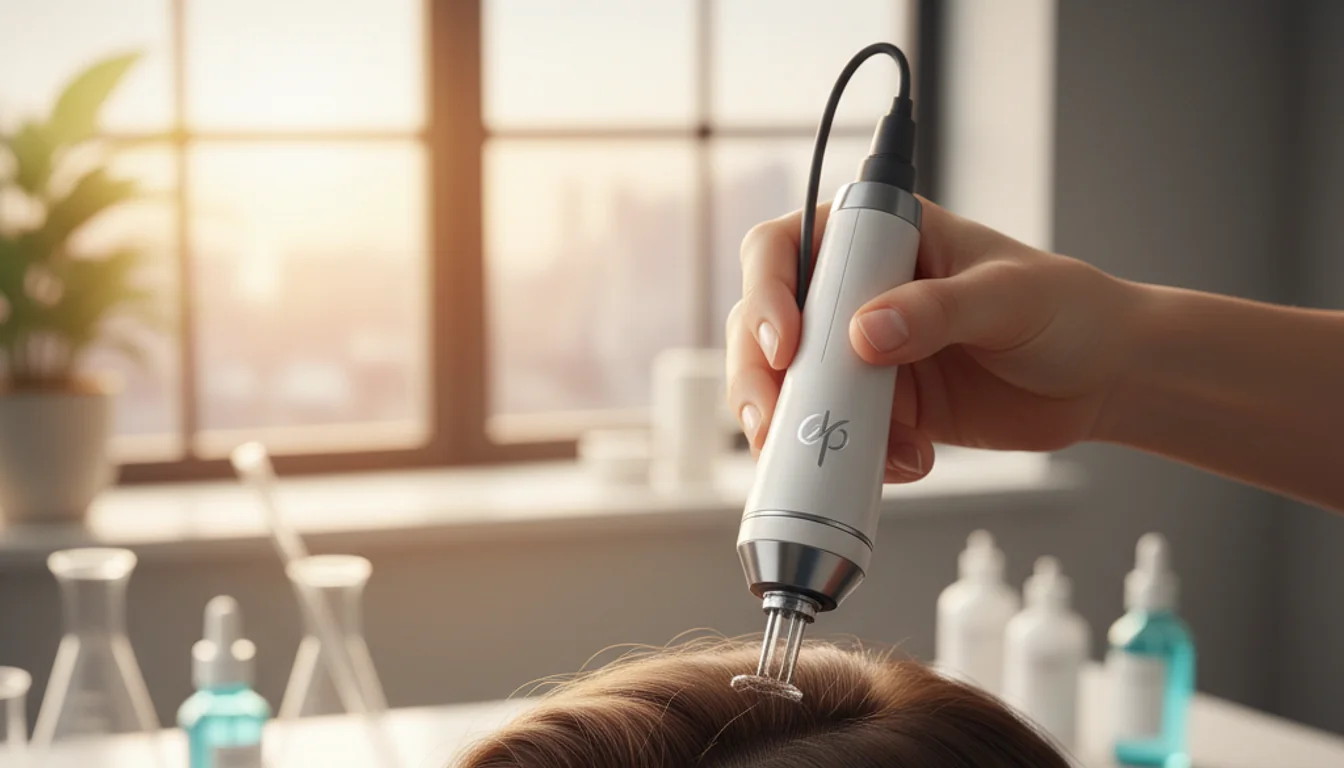
Another mistake? Waiting too long. Hair follicles are like plants; once they’re dead, they aren’t coming back. You want to catch them while they’re just “wilting.” Claire waited until she’d lost about 30% of her density before she took it seriously. If she’d started when she first noticed her ponytail getting thinner, the recovery would have been much faster.
Also, don’t ignore your diet. I’m a big believer in a high protein diet for hair health. Your hair is literally made of protein (keratin). If you’re skipping meals or on a restrictive diet, your body will deprioritize your hair to keep your heart and lungs running. It’s survival of the fittest, and your bangs are the first to go.
✅ Quick Answer: The best hair loss treatment for women in 2025 is a combination of 5% Minoxidil and a prescription DHT blocker like topical Spironolactone. This addresses both the growth cycle and the hormonal causes of thinning.
Final Thoughts: Is It Worth the Effort?
To be honest, I think we overcomplicate wellness. We look for the most expensive, most “exclusive” solution because we think price equals quality. But after Claire’s $2,400 mistake, we realized that the best treatment is the one that’s backed by science and easy enough to do every day. She’s been on her Roman plan for about 14 months now. Her hair isn’t just “not falling out” – it actually looks thick again. Even her sister, Sarah, who is the world’s biggest skeptic, asked her what she was doing differently last Thanksgiving.
If you’re feeling that same overwhelm I saw in Claire’s eyes at the store, just take a breath. You don’t need the $90 “botanical” serum. You don’t need the $2,000 injections. You just need a plan that works. I’m not a doctor–consult a licensed physician – but I’ve seen what works in the real world, away from the marketing fluff.
Turns out, I was overthinking it. Story of my life.
✅ Key Takeaways
- Avoid “hair growth” vitamins unless you have a diagnosed deficiency. – Prescription-strength topicals (Minoxidil + Spironolactone) are the gold standard in 2025. – Consistency for 6+ months is required to see real visible change. – Direct-to-consumer options like Roman offer the same ingredients as high-end clinics for 90% less cost.
Frequently Asked Questions
Medical Disclaimer
This article is for informational and educational purposes only and is not intended as a substitute for professional medical advice, diagnosis, or treatment. Always seek the advice of your physician or other qualified health provider with any questions you may have regarding a medical condition. Never disregard professional medical advice or delay in seeking it because of something you have read in this article.